Pre-Game Pills Won't Outsmart a Hangover—Here's What They Actually Do

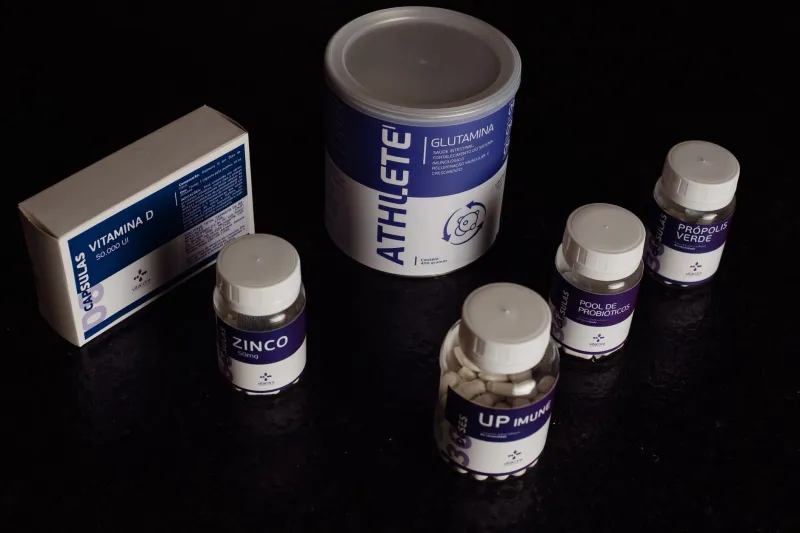
Photo: hangover supplement pills with holiday cocktail and water glass, via en-images.kinorium.com
The holiday calendar is about to get loud. Thanksgiving is days away, office parties are filling up December, and New Year's Eve is close enough to start arguing about plans. Right on schedule, the supplement aisle has an answer: pre-game pills, recovery capsules, and drink-mixing packets that promise to help you bounce back faster.
Some of these products are priced like a nice bottle of wine. Many are sold with sleek claims about 'liver support,' 'toxin clearance,' and 'morning-after relief.' And because dietary supplements in the US do not go through the same pre-market approval as drugs, the burden is mostly on the shopper to separate a reasonable ingredient from a clever label.
So what is actually inside the typical hangover pill? And can any of it make a night of heavy drinking safe? The short answer is no. The longer answer is more useful.
The usual suspects in the bottle
Most hangover products lean on a familiar cast of ingredients. Dihydromyricetin, usually shortened to DHM, is extracted from Japanese raisin tree and has become the star of the pre-game category. It shows up in animal studies and a handful of small human trials, and it may influence how the body handles alcohol. But the evidence is not strong enough to call it a reliable hangover cure, and it certainly does not cancel out alcohol's effects on judgment or the liver.
NAC, or N-acetylcysteine, is an antioxidant precursor often used in liver-related research and in emergency medicine for acetaminophen overdose. That history gives it a serious-sounding halo. For hangovers, the data are thin. Oral NAC has poor bioavailability, timing matters, and studies have not consistently shown meaningful relief of headache, nausea, or fatigue.
B vitamins are another common add-on. They support normal metabolism, but they do not speed up alcohol clearance or prevent a hangover. High-dose niacin can cause flushing, and large doses of certain B vitamins can turn urine bright yellow, which some brands may treat as a sign the product is working. It mostly means your kidneys are doing their job.
Electrolytes are reasonable if you are dehydrated, but they are not a magic morning-after formula. A sports drink, water with a pinch of salt, or a normal meal can do similar work. Other frequent ingredients include milk thistle, prickly pear, artichoke extract, ginger, and activated charcoal. Some may help with specific symptoms like nausea, but the evidence is mixed, and charcoal can interfere with medications and other supplements.
What the science actually supports
A hangover is not one problem. It is a cluster of problems: acetaldehyde exposure, inflammation, dehydration, poor sleep, and the general metabolic chaos that follows heavy drinking. No single pill addresses all of that, and no supplement has been shown to reliably prevent a hangover in real-world conditions.
Some small studies suggest modest symptom reduction for specific ingredients, but the research is often short, small, and funded or supported by companies with a stake in the result. That does not make every ingredient useless. It means the marketing has gotten far ahead of the evidence.
The FDA does not approve dietary supplements before they are sold. Companies are responsible for safety and for making claims that are truthful and not misleading, but enforcement is uneven. That is why you can find products with bold 'hangover cure' language even though no supplement has met the standard for that kind of claim.
Label red flags to watch for
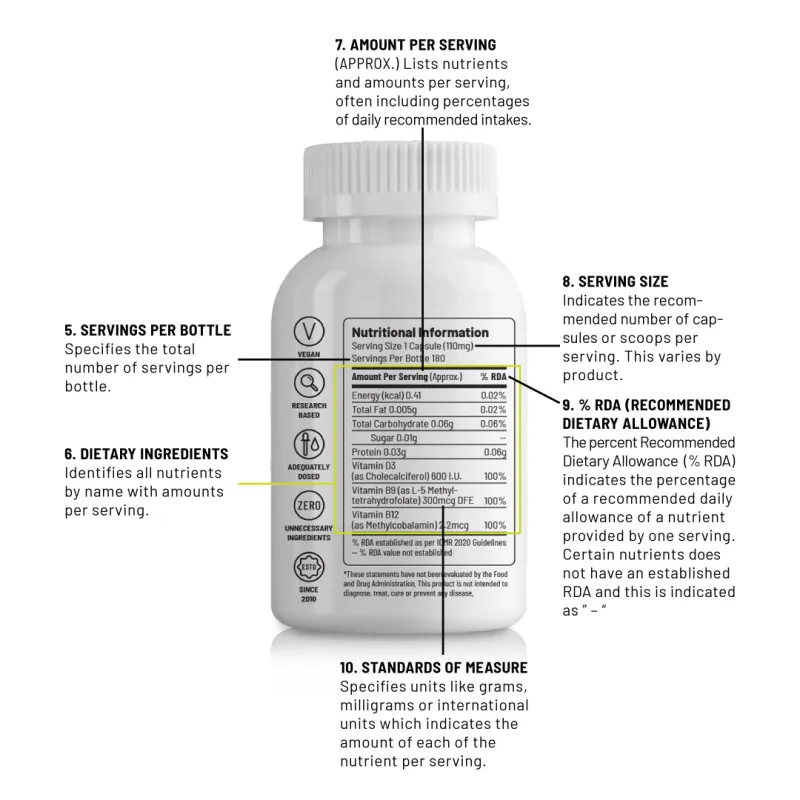
A few phrases should make you slow down. 'Proprietary blend' often hides small doses behind a fancy name. 'Clinical strength' has no legal definition. 'Detox' sounds medical but usually means nothing specific. Mega-dose B vitamins, stimulants, and herbs stacked together increase the chance of side effects without proving the combination works.
Also look for third-party testing seals such as NSF Certified for Sport or USP Verified. They are not a guarantee of effectiveness, but they do offer some assurance on identity and purity. If a product lists a long blend but no individual amounts, you cannot know whether the star ingredient is present at a meaningful dose.
And be wary of before-and-after photos, fake urgency, and reviews that sound like ad copy. Hangover supplements are a seasonal business, and the holiday rush brings out the most aggressive marketing.
Why no supplement makes heavy drinking safe
This is the part that matters most. Alcohol is a carcinogen and a liver toxin. Heavy drinking raises the risk of accidents, injuries, risky decisions, and long-term health problems. A pill that takes the edge off a headache does not change any of that. In fact, the idea of a recovery shortcut can encourage people to drink more than they otherwise would.
If you take prescription medications, mix with care. Alcohol plus sedatives, sleep aids, pain relievers, and some antidepressants can be dangerous. A hangover supplement will not protect you from that interaction.
A practical approach for the season
If you choose to drink, the boring stuff still works best: eat before and during, alternate alcohol with water, pace yourself, and plan a safe ride home. Sleep is not optional. Neither is knowing your limits.
If you still want to try a hangover product, treat it as a low-stakes experiment, not insurance. Look for single-ingredient products with clear doses and third-party testing. Avoid mega-dose blends and anything that promises you can drink without consequences. And do not let a capsule become a permission slip.
The holiday season is better enjoyed with a clear head than with a cabinet full of pills that promise one. Your liver, your sleep, and your Saturday morning will thank you for keeping expectations realistic.