'Natural' Is a Marketing Word, Not a Safety Promise — Inside the Clean Label Playbook
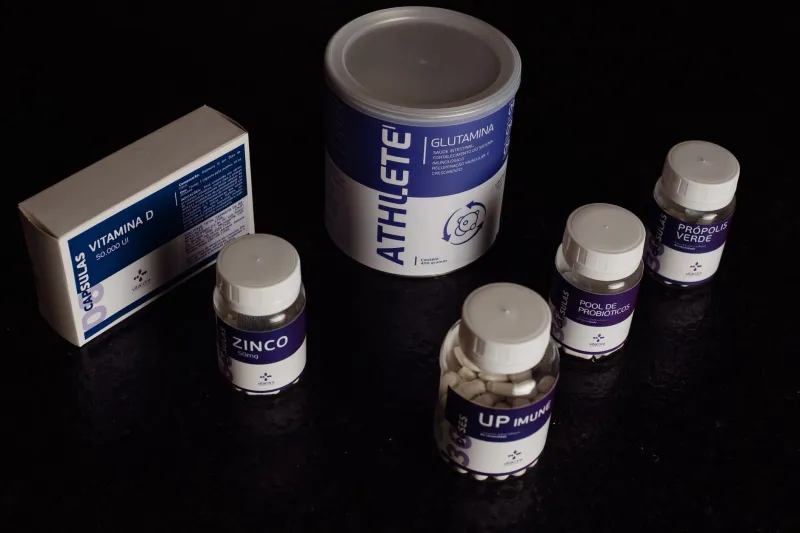
Walk down the supplement aisle at any Target, Whole Foods, or CVS in America and you'll see it everywhere: beige packaging, leaf motifs, and phrases like clean label, no artificial anything, and naturally sourced. It looks healthier. It feels healthier. And according to the letter of the law? It doesn't have to mean much of anything.
The Loophole Hiding in Plain Sight
Here's the part most shoppers don't realize: the FDA has never formally defined the term "natural" for food or supplements. The agency's working position is basically a shrug — nothing synthetic or artificial that wouldn't normally be expected in the food. That's it. That's the standard.
"Clean label" isn't a legal term at all. It's a marketing concept with zero regulatory teeth. A brand can slap it on a bottle while using synthetic fillers, flow agents, and lab-made compounds — as long as the paperwork is technically in order.
How the Halo Effect Does the Heavy Lifting
Researchers call it the "health halo": a single virtue-signaling claim on the front of the package changes how you judge everything else inside it. Studies have repeatedly shown that consumers rate products labeled "natural" as lower in calories, healthier, and more trustworthy — even when the nutrition facts say otherwise.
In the supplement world, this halo gets weaponized in a few predictable ways:
- The ingredient list makeover. Instead of "magnesium stearate," you get "vegetable-based flow agent." Same function, friendlier name.
- The fruit-and-veg smokescreen. A blend of powdered broccoli and spinach — in doses so small they're nutritionally irrelevant — lets the label say "made with real whole foods."
- The 'free from' flex. "No artificial colors!" on a product that was never going to have artificial colors. Congratulations on avoiding a problem that didn't exist.
- Proprietary blend laundering. A "Clean Energy Blend" can hide underdosed actives behind a fancy name, and the label is legally allowed to keep the amounts secret.
None of this means every clean-label product is a scam. Plenty of brands genuinely use better forms and fewer fillers. But the words on the front of the bottle aren't how you find them.
Your Five-Minute Label Audit
Forget the front of the box entirely. Here's what to actually check:
1. Read the Supplement Facts, not the story. Are the doses of key ingredients listed in milligrams — and do they match what the research uses? If a proprietary blend is listed first and everything else is a "blend," you're buying mystery powder.
2. Look for third-party certification. NSF Certified for Sport, USP Verified, or Informed Choice seals mean an outside lab actually checked the product. "Clean" means nothing; "USP Verified" means something.
3. Decode the 'other ingredients' list. A short list isn't automatically better — some fillers (like rice hull concentrate) are harmless and functional. What you want to spot-check are undeclared allergens and vague terms like "natural flavors" in products claiming to be unflavored.
4. Check the form of the nutrient. "Vitamin B12" could be cheap cyanocobalamin or well-absorbed methylcobalamin. "Magnesium" could be oxide (poorly absorbed) or glycinate. The form matters more than the font.
5. Google the company's certificates of analysis. Reputable brands publish CoAs showing what's actually in the bottle. If you can't find testing data anywhere, that silence is the answer.
The Bottom Line
'Natural' and 'clean' are adjectives, not standards. The supplement industry doesn't need to prove those claims to anyone before printing them — which means the burden of proof falls on you, the shopper. The good news: it takes about five minutes and a little label literacy to separate the genuinely transparent brands from the ones wearing a costume.
Your money deserves better than a nice shade of beige.