10 Supplement Combos That Are Quietly Working Against Each Other in Your Body
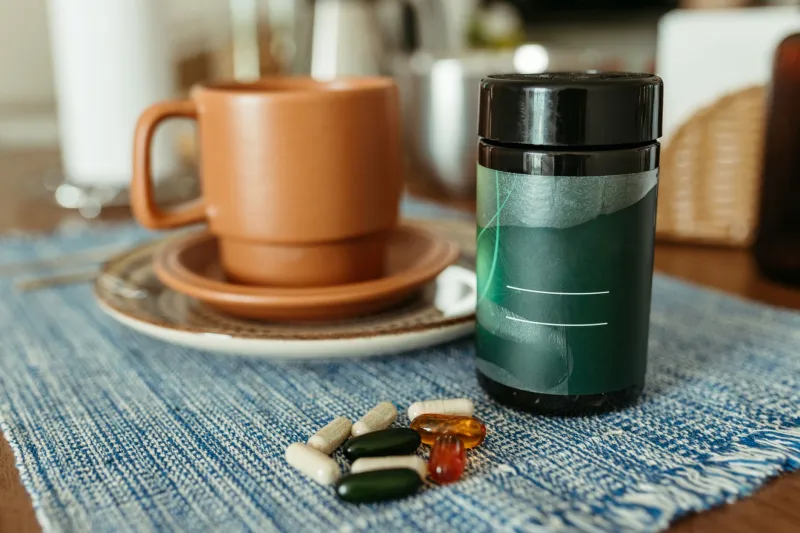
You've done everything right. You researched your supplements, bought quality brands, and you take them consistently. Gold star. But there's a decent chance your morning supplement routine has a few internal feuds going on that nobody told you about — pairs of nutrients that, when taken together, actively compete for the same absorption pathways or flat-out block each other from doing their jobs.
Everyone's heard that calcium and iron don't play well together. But the list of problematic pairings goes way deeper than that, and most supplement labels aren't going to spell it out for you. Here are 10 of the sneakiest antagonistic combinations lurking in typical American supplement cabinets.
1. Zinc and Copper: The Seesaw Nobody Mentions
Zinc supplementation is everywhere right now — immune support, skin health, testosterone optimization. But here's the catch: high-dose zinc supplementation directly suppresses copper absorption by triggering the production of a protein called metallothionein in your intestinal cells, which binds copper and prevents it from entering your bloodstream.
Long-term zinc supplementation without copper can quietly drive copper deficiency — and low copper is associated with neurological issues, anemia, and connective tissue problems. If you're taking more than 25mg of zinc daily, you probably need to be supplementing copper alongside it (the general ratio used in research is about 10:1 zinc to copper).
2. Green Tea Extract and Iron
Green tea is loaded with polyphenols — specifically catechins like EGCG — that are widely celebrated for their antioxidant properties. What the marketing doesn't mention: those same polyphenols bind to non-heme iron (the plant-based form found in both food and most iron supplements) in your gut and significantly reduce how much you absorb.
Studies suggest green tea consumed with an iron-rich meal or supplement can reduce iron absorption by up to 75% in some cases. If you're iron-deficient or borderline anemic, taking a green tea extract supplement alongside your iron pill is essentially throwing money down the drain.
3. Calcium and Magnesium: Frenemies at the Same Transporter
Calcium and magnesium compete for the same intestinal transport channels. When you take large doses of both at the same time, they duke it out for absorption — and calcium, being the more aggressive competitor, often wins. If you're relying on a combined calcium-magnesium supplement for bone health and sleep support, you may be undershooting your magnesium absorption without realizing it.
The practical fix: separate them by at least two hours, or take your magnesium in the evening (which has the added benefit of supporting sleep) and your calcium at a different meal.
4. Fat-Soluble Vitamins Taken Without Fat
This one's less about vitamins fighting each other and more about the entire fat-soluble category getting quietly sabotaged by how most people take them. Vitamins A, D, E, and K all require dietary fat to be properly absorbed. If you're popping your vitamin D capsule with just a glass of water on an empty stomach, you're likely absorbing a fraction of what the label promises.
A study published in the Journal of the Academy of Nutrition and Dietetics found that vitamin D absorption increased significantly when taken with a fat-containing meal compared to a fat-free one. Take your fat-soluble vitamins with food that includes healthy fats — avocado, eggs, olive oil — and you'll get meaningfully more out of every capsule.
5. Vitamin E and Vitamin K: A Clotting Conflict
High-dose vitamin E supplementation (above 400 IU/day) can interfere with vitamin K's role in blood clotting. Vitamin K activates clotting factors, while excess vitamin E inhibits the same enzymes vitamin K depends on. For most healthy people this is a minor concern, but if you're taking both in supplement form — or are on a blood thinner like warfarin — this interaction becomes clinically significant.
6. Calcium and Zinc: Another Absorption Rivalry
Calcium doesn't just compete with magnesium — it also suppresses zinc absorption when both are taken simultaneously in high doses. Large calcium supplementation doses (500mg or more) can reduce zinc bioavailability by up to 50% in some studies. If bone health is a priority and you're also taking zinc for immune function or skin support, staggering your doses throughout the day is a smart move.
7. High-Dose Vitamin C and Copper
Vitamin C is known to enhance iron absorption — that's actually a useful pairing. But at very high doses (above 1,000mg), vitamin C can reduce copper absorption by converting cupric copper (Cu2+) to cuprous copper (Cu+), a form that's less readily absorbed. If you're mega-dosing vitamin C and also taking a multivitamin with copper, you may be limiting the copper you actually absorb.
8. Fiber Supplements and Mineral Absorption
Psyllium husk and other soluble fiber supplements are fantastic for gut health and cholesterol management. But when taken at the same time as mineral supplements — particularly calcium, magnesium, zinc, and iron — soluble fiber can bind to those minerals and reduce their absorption by slowing transit and forming complexes in the gut.
This doesn't mean fiber and minerals are incompatible — just that timing matters. Take your fiber supplement separately from your mineral supplements, ideally at a different meal.
9. Resveratrol and Iron
Resveratrol — the polyphenol in red wine that made headlines a decade ago — is a popular antioxidant supplement. Like green tea catechins, resveratrol has iron-chelating properties, meaning it can bind to iron in the digestive tract and reduce how much gets absorbed. People supplementing resveratrol alongside iron should separate the two by at least two hours.
10. B12 and Potassium (Specifically from Certain Supplements)
Extended-release potassium chloride supplements have been shown in some older studies to reduce vitamin B12 absorption by altering the gut environment and potentially affecting intrinsic factor activity. This interaction is more relevant for people taking high-dose potassium supplements than for those getting it through food, but it's worth knowing if you're stacking both.
The Simple System That Fixes Most of This
You don't need a PhD in biochemistry to manage these interactions. A few basic principles cover most of the ground:
- Morning with food containing fat: Fat-soluble vitamins (A, D, E, K), fish oil
- Morning, separated from minerals: Green tea extract, resveratrol, high-dose vitamin C
- Midday or with a different meal: Calcium
- Evening: Magnesium, zinc (away from calcium)
- Iron: On its own or with vitamin C, away from everything else
The biggest mistake most people make is treating their supplement routine like a single event — dumping everything into their palm at once and washing it down with coffee. Spreading your supplements across the day isn't inconvenient; it's just chemistry.
Your body can only absorb so much of any given nutrient at one time, and when you're competing for the same transporters, everyone loses.