Ozempic Changed Dinner — Now the Supplement Industry Wants a Piece of the Plate
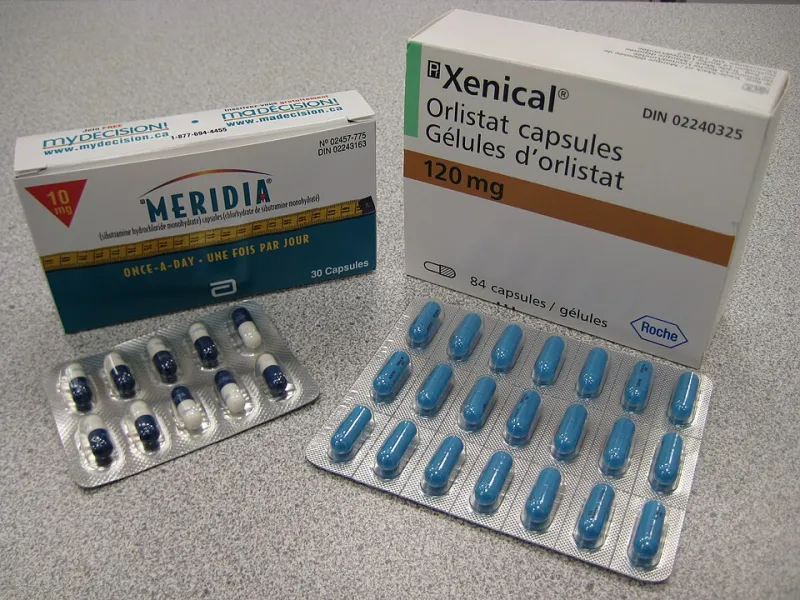
Photo: James Heilman, MD, CC BY-SA 3.0, via Wikimedia Commons
Walk through any pharmacy in America right now and you'll see the line for GLP-1 prescriptions. Roughly one in eight US adults has taken one, according to recent polling, and the ripple effects are showing up everywhere — including, inevitably, in the supplement aisle.
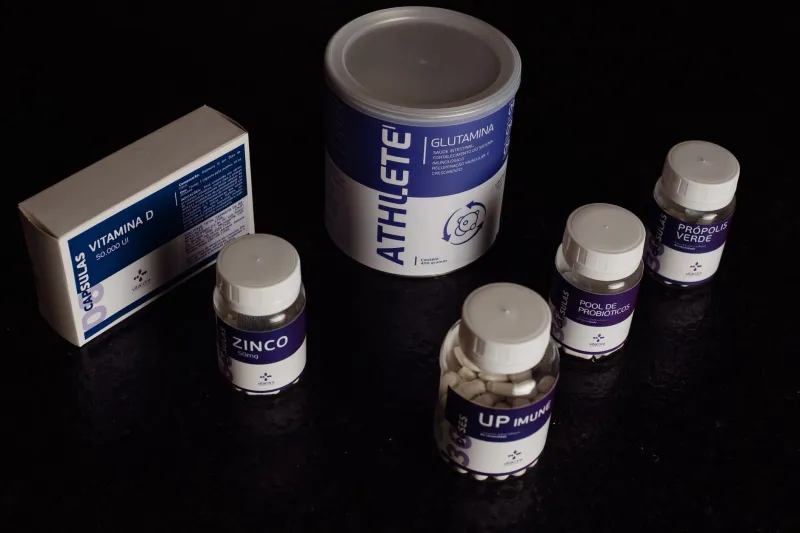
The pitch writes itself. Ozempic and Wegovy crush appetite. Less food means fewer nutrients, and rapid weight loss can strip away muscle along with fat. Into that anxiety walks the supplement industry, clipboard in hand, offering 'muscle protection stacks,' 'GLP-1 companion packs,' and 'nutritional insurance' bundles. Some of this is legitimate. Some of it is a shark tank wearing a lab coat.
The Real Problem the Pills Create
Let's be fair to the new products: the underlying concern is genuine. Clinical trials on semaglutide showed participants losing meaningful lean muscle mass alongside fat — sometimes a quarter or more of total weight lost. Combine that with sharply reduced food intake and you have a legitimate nutritional gap. Protein, B12, iron, calcium, and several micronutrients become genuinely harder to get when you're eating a third of what you used to.
So yes, GLP-1 users have real needs. That's precisely what makes this market segment attractive — and exploitable.
What Actually Holds Up
A few of the emerging products rest on solid ground:
Protein supplements. This is the least sexy and most defensible category. When appetite collapses, hitting even a modest protein target through food gets hard. A quality whey or plant protein powder is a practical tool, not a gimmick.
Creatine. Arguably the best-studied supplement for preserving muscle and strength, with decades of safety data. For someone losing weight rapidly on a GLP-1, it's a reasonable, evidence-backed addition — and cheap.
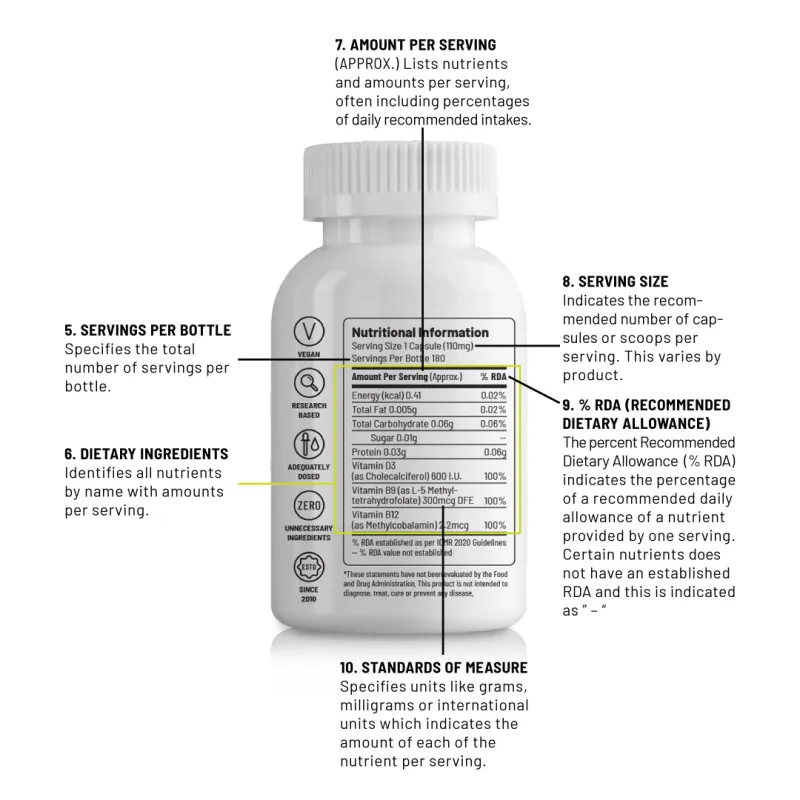
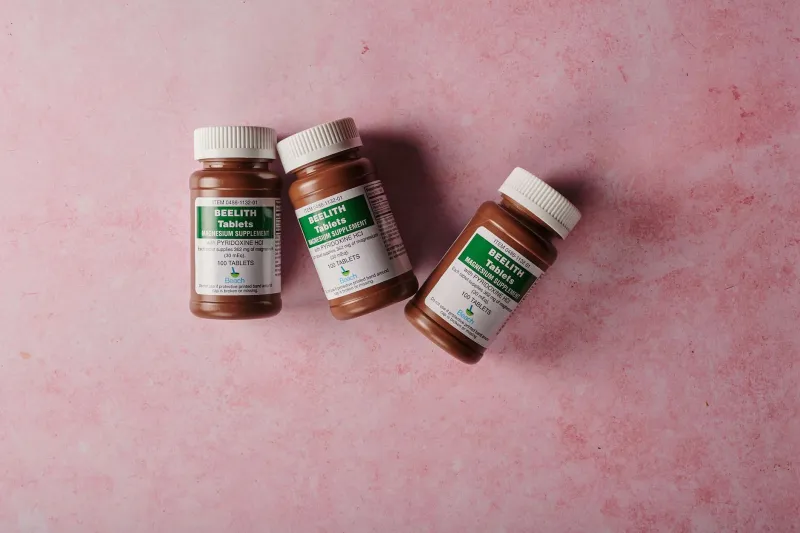
Basic multivitamins. A sensible, low-dose multivitamin makes honest sense for someone eating 1,200 calories a day. This is one of the few situations where the 'nutritional insurance' pitch isn't a stretch.
Resistance exercise guidance. Not a supplement, but the honest truth: the best 'muscle protection' is lifting weights. Any product that doesn't mention this is selling half an answer.
Where the Grift Begins
Then there's the rest of the shelf. 'GLP-1 support blends' with proprietary mixes of unproven ingredients. 'Metabolic enhancers' that promise to keep your metabolism fire burning — a claim with no meaningful evidence behind it in this context. And the murkier category: supplements marketed to mimic or 'boost' GLP-1 naturally, which either don't work as implied or, in a few cases, contain actual pharmacologically active compounds that shouldn't be in a supplement at all.
There's also a real safety issue being glossed over. GLP-1 drugs interact with digestion itself — slowing gastric emptying. Piling on additional compounds without medical oversight, or using supplements to 'counteract' side effects, is a conversation for a doctor, not a checkout page.
The Verdict
The supplement industry isn't wrong that GLP-1 users have nutritional gaps. It's wrong about how to fill most of them. The legitimate kit is short and boring: adequate protein, creatine, a basic multivitamin, and a barbell. Everything else is mostly a premium priced on fear.
If you're on a GLP-1, bring the supplement question to the prescriber who started the medication — not the brand that discovered you on Instagram. Your muscle mass will thank you, and your wallet will too.