The Health-Halo Hall of Shame: 7 Wellness-Aisle Buys That Rarely Pay Off

Photo: Wonderlane from Seattle, USA, CC BY 2.0, via Wikimedia Commons
The wellness aisle has a superpower: it can make almost anything sound medicinal. Add the words 'immune support,' 'detox,' or 'gut-friendly' and a product that is basically a snack or a sugary drink starts to feel like a health purchase.
That is the health halo effect. It is not a conspiracy. It is just good marketing aimed at people who want to feel better. But a halo is not evidence. Here are seven popular wellness-aisle items that rarely earn their hype, along with what to buy instead.
1. Greens powders
The claim on the front is usually something like '40 fruits and vegetables in one scoop.' The reality is a blend of dried powders, added vitamins, and sometimes fiber or probiotics. The doses of individual plant ingredients are often small, and the product is not a substitute for produce. You are mostly paying for convenience and marketing.
What to buy instead: actual vegetables, including frozen ones. They are cheaper, contain fiber and water, and do not require a shaker bottle. If you have a genuine gap in your diet, a basic multivitamin is usually cheaper than a premium greens powder.
2. Immunity shots
Tiny bottles of ginger, turmeric, lemon, and vitamin C are sold as immune boosters. They can be pleasant, and some contain useful nutrients, but the amounts are often modest. The immune system is not a muscle you can flex with a shot. Sleep, vaccines, regular meals, and managing stress matter far more.
What to buy instead: citrus fruit, a balanced diet, and a flu shot if you have not gotten one. If you want a warm drink, tea with lemon and ginger is fine. Just do not mistake it for protection against infection.
3. Detox teas
Detox teas often rely on senna or other laxatives. That is why they 'work' for some people: they cause a bowel movement. They do not cleanse your liver or remove toxins in any meaningful way. Overuse can cause cramps, dehydration, and dependence on laxatives.
What to buy instead: water, regular tea, and fiber-rich foods. Your liver and kidneys already handle detoxification. If you are constipated, talk to a clinician about fiber, fluids, and activity rather than buying a tea that mostly irritates your gut.
4. 'Protein' cookies
A cookie with 10 or 15 grams of protein is still a cookie. Many are high in sugar, palm oil, and calories, and the protein often comes from isolated soy or whey that you could get more cheaply elsewhere. The front label emphasizes protein; the nutrition facts may tell a less flattering story.
What to buy instead: Greek yogurt, eggs, cottage cheese, canned tuna, or a simple protein powder if you actually need convenience. If you want a cookie, buy a cookie and enjoy it. Just do not call it a health food because of a protein number.
5. Sleep gummies
Melatonin gummies are everywhere, and the dose can vary widely from what the label says. Melatonin may help with jet lag or shifting sleep timing, but it is not a proven treatment for chronic insomnia. Many gummies also contain sugar and other ingredients that do not help sleep.
What to buy instead: a consistent sleep schedule, less caffeine late in the day, and a dark, cool room. If you want to try melatonin, choose a low dose and talk to a clinician, especially if you take other medications.
6. Keto bars
Keto bars often advertise low carbs and high fat, but they can be loaded with sugar alcohols, fiber syrups, and oils that cause bloating or digestive discomfort. They are processed foods with a health halo. Some are fine as an occasional snack, but they are not a shortcut to ketosis or weight loss.
What to buy instead: nuts, cheese, hard-boiled eggs, or plain yogurt. If you are actually following a keto diet, whole foods will usually be more satisfying and less likely to upset your stomach.
7. Fiber sodas
Fiber sodas promise the benefits of fiber in a bubbly drink. Some contain chicory root fiber or other prebiotics, which can be useful, but the amount may be modest and the carbonation and sweeteners can cause bloating in some people. They are not a replacement for high-fiber foods.
What to buy instead: beans, oats, lentils, fruit, and vegetables. If you want a fizzy drink, sparkling water is fine. Add fiber from food first, then consider a supplement if a clinician recommends one.
The takeaway
The wellness aisle is not evil, and not every product on this list is worthless. Some people genuinely benefit from a specific supplement or convenience food. But the front of the pack is designed to sell, not to teach.
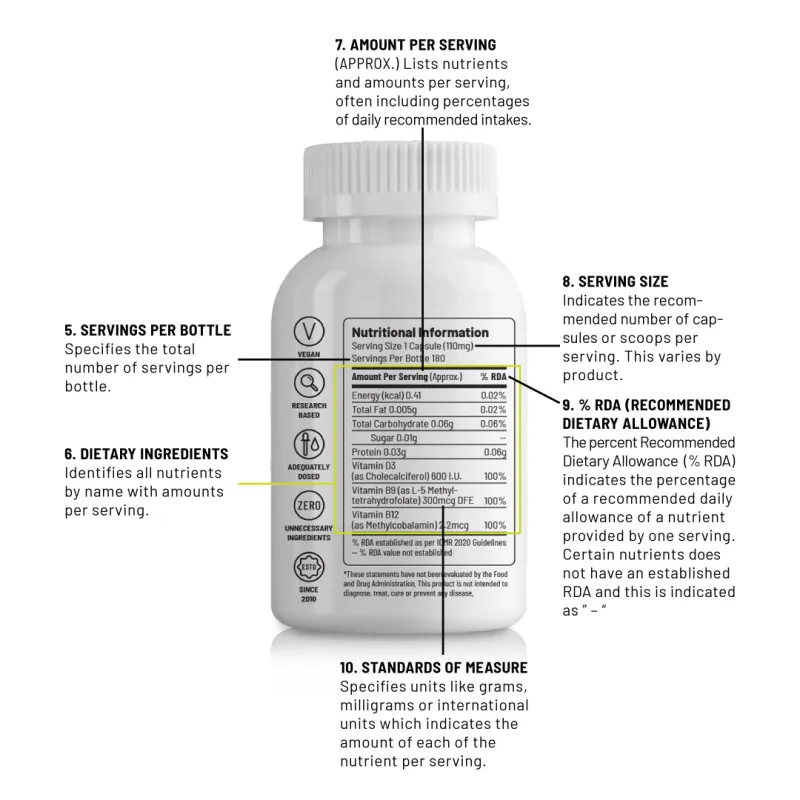
A useful habit is to flip the package over. Look at the serving size, the amount of the star ingredient, the added sugars, and the evidence behind the specific claim. If the health message disappears when you read the nutrition facts, you have your answer.
Buy food first. Buy supplements for specific, well-defined reasons. And let the halo stay in the marketing department, where it belongs.