What's Really Inside Your Protein Powder? The Label Tricks You're Probably Missing
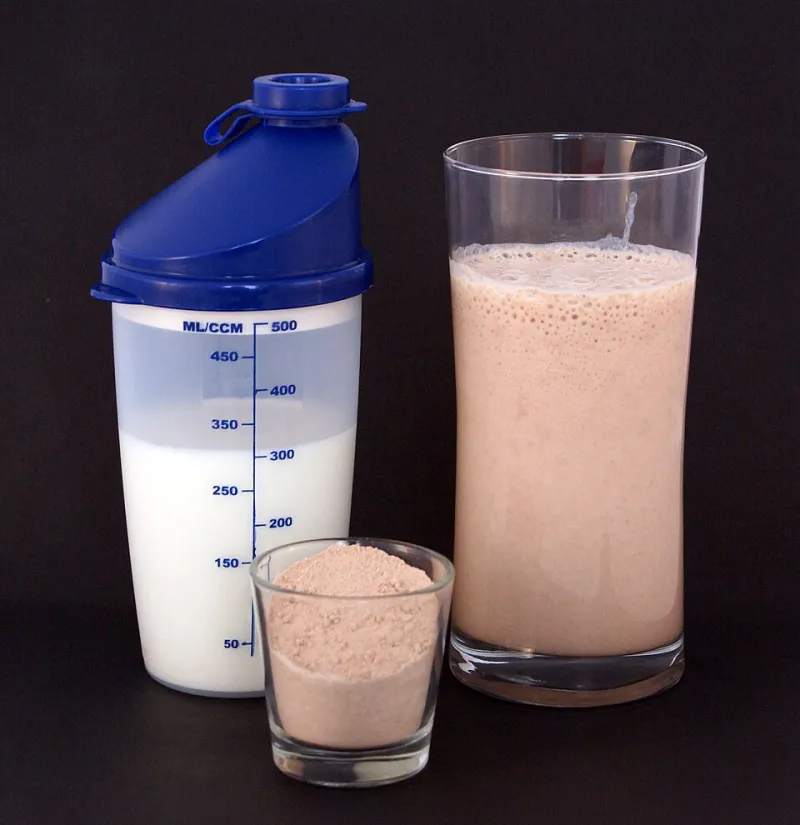
Photo: Sandstein, CC BY 3.0, via Wikimedia Commons
That Tub of Protein Might Not Be What You Think
Walk into any GNC, Costco, or supplement aisle at your local Target and you'll find an entire wall of protein powders promising lean muscle, fast recovery, and peak performance. The marketing is slick. The packaging is bold. And the price tags range from budget-friendly to eye-wateringly expensive.
But here's the thing — the supplement industry in the United States operates under a very different set of rules than, say, your prescription medications. The FDA doesn't approve dietary supplements before they hit shelves. That means the burden of catching misleading or unsafe products largely falls on consumers after the fact. And protein powder manufacturers? Some of them have gotten very good at exploiting that gap.
Let's break down exactly how it happens.
The Proprietary Blend Problem
If you've ever flipped over a supplement container and seen the words "proprietary blend" followed by a single total weight, you've already encountered one of the industry's most widely used loopholes.
A proprietary blend lets manufacturers list multiple ingredients under one umbrella without disclosing how much of each ingredient is actually in the product. The stated reason is that companies want to protect their formulas from competitors. The practical effect, though, is that you have no idea whether you're getting a meaningful dose of anything — or just a sprinkle of expensive-sounding ingredients alongside a lot of cheap filler.
In the context of protein powders specifically, this can mean that a blend listed as "Advanced Amino Matrix" might contain mostly inexpensive amino acids like taurine or glycine, padded out to hit an impressive-looking total protein number. Which brings us to the next trick.
Nitrogen Spiking: The Dirty Secret of Protein Testing
Protein content on supplement labels is typically measured through something called nitrogen testing, or the Kjeldahl method. The logic is straightforward: protein contains nitrogen, so measure the nitrogen, calculate the protein. Simple enough.
Except some manufacturers figured out that you can artificially inflate that nitrogen reading by adding cheap, non-protein nitrogen sources — things like creatine, taurine, glycine, or even non-essential amino acids that your body doesn't use the same way as complete protein. The result is a label that claims, say, 30 grams of protein per serving, when the actual usable protein from quality sources might be significantly less.
This practice, often called "amino spiking" or "nitrogen spiking," has been the subject of class-action lawsuits in the US. Several major brands have settled cases related to misleading protein content claims. And yet it remains a concern across the industry, particularly in lower-priced products competing aggressively on protein-per-dollar.
Fillers, Thickeners, and the Ingredient List Deep Dive
Beyond protein content itself, there's a whole supporting cast of ingredients in most powders that rarely gets discussed in marketing materials.
Maltodextrin, for example, is a common filler with a glycemic index higher than table sugar. It's cheap, it improves texture, and it bulks up serving size — but it's not doing your blood sugar any favors. You'll find it listed innocuously near the bottom of many ingredient panels.
Carrageenan is another one worth knowing. Derived from seaweed, it's used as a thickening agent in plenty of ready-to-drink protein shakes. Some research has raised questions about its effects on gut inflammation, though the FDA still considers it safe. If you have a sensitive stomach and can't figure out why your protein shake is wrecking your digestion, this might be worth investigating.
Artificial sweeteners are ubiquitous — sucralose, acesulfame potassium (Ace-K), and aspartame show up constantly. None of these are outright dangerous for most people, but if you're drinking two or three shakes a day, you're getting a meaningful cumulative dose that most people never account for.
Serving Size Manipulation: The Numbers Game
Here's a subtle one that trips up even experienced supplement shoppers. Two competing products both claim 25 grams of protein per serving. One serving is 30 grams of powder. The other is 40 grams of powder. The second product is actually delivering less protein per gram of powder — but the headline number looks identical.
Always do the math. Divide the protein content by the total serving size in grams to get the actual protein density. A quality whey concentrate or isolate should deliver roughly 70–90% protein by weight. If a product is coming in much lower than that, something else is taking up space in that scoop.
Third-Party Testing: The Gold Standard You Should Be Demanding
So what's the move here? The most reliable signal of a trustworthy protein powder is independent, third-party testing certification. Look for logos from organizations like NSF International (their "Certified for Sport" program is particularly rigorous), Informed Sport, or USP (United States Pharmacopeia).
These certifications mean an independent lab has verified that what's on the label is actually in the product — and that it doesn't contain banned substances or dangerous contaminants. It's not a perfect system, but it's the best consumer protection available right now given how loosely the industry is regulated.
What to Actually Look For at the Store
Next time you're standing in that supplement aisle, here's a quick mental checklist:
- Skip proprietary blends. If the label won't tell you exactly how much of each ingredient you're getting, that's a red flag.
- Check the protein density. Protein grams divided by total serving weight should be at least 70% for a quality product.
- Scan for fillers. Maltodextrin as a top-five ingredient is a sign the formula is padded.
- Look for third-party certification. NSF, Informed Sport, or USP logos matter more than any marketing claim on the front of the tub.
- Shorter ingredient lists are usually better. If you need a chemistry degree to decode the panel, that's worth noting.
The protein powder market isn't all bad — there are genuinely good products out there. But the lack of pre-market regulation means the responsibility falls on you to read past the hype. A little label literacy goes a long way when you're spending $60 or more on a monthly supply.