Berberine, Fiber, and Hype: The Real Science Behind 'Natural Ozempic' Supplements
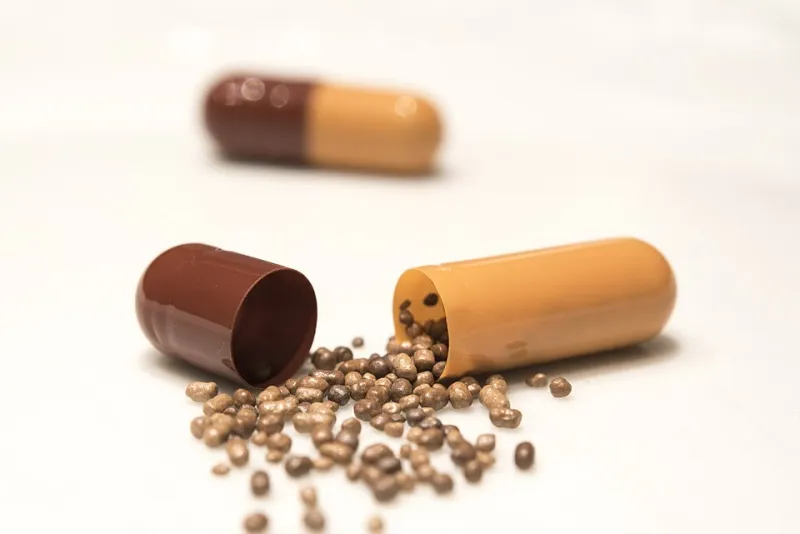
Photo: Patrik Nygren, CC BY-SA 2.0, via Wikimedia Commons
Walk down any supplement aisle at your local Walmart or Whole Foods right now and you'll spot a new wave of products making a bold promise: all the appetite-crushing, blood-sugar-balancing magic of Ozempic — none of the prescription, none of the $1,000-a-month price tag. Sounds pretty great, right?
The problem is that GLP-1 receptor agonists like semaglutide (Ozempic, Wegovy) are a class of drugs that took decades of pharmaceutical research to develop. They work by mimicking a hormone your gut naturally releases after eating, signaling your brain to dial down hunger and slow digestion. Replicating that mechanism with a capsule from a supplement brand is... a tall order, to put it gently.
So what's actually in these products, and is any of it worth your money? Here's what the current evidence says.
What GLP-1 Actually Does (And Why It's Hard to Fake)
Glucagon-like peptide-1 (GLP-1) is a hormone secreted in your small intestine when you eat. It tells your pancreas to release insulin, slows the rate at which your stomach empties, and — crucially — sends satiety signals to your brain. Drugs like semaglutide essentially flood your system with a supercharged, long-lasting version of this signal.
Natural GLP-1 released from food lasts only a few minutes in your bloodstream. That's the core challenge any supplement faces: even if an ingredient nudges GLP-1 secretion slightly, it's nowhere near the sustained pharmacological effect of an injectable drug.
"The comparison between GLP-1 drugs and supplements claiming similar effects is a bit like comparing a fire hose to a garden sprinkler," says registered dietitian nutritionist Maya Hendricks, who works with weight management clients in Chicago. "The mechanism might rhyme, but the magnitude is completely different."
Berberine: The 'Nature's Ozempic' Poster Child
If you've spent any time on wellness TikTok, you've heard berberine called "nature's Ozempic." The compound, extracted from plants like barberry and goldenseal, has been used in traditional Chinese medicine for centuries. And yes — there is legitimate research behind it.
Multiple studies suggest berberine can improve insulin sensitivity and lower blood sugar levels, which is why it's often compared to metformin (a common diabetes drug) in research circles. A 2022 meta-analysis published in Frontiers in Pharmacology found meaningful reductions in fasting blood glucose and HbA1c in people with type 2 diabetes or prediabetes.
But here's where the marketing gets ahead of the science: berberine's blood sugar benefits do not automatically translate into significant weight loss for otherwise healthy people. Most clinical trials showing weight reduction involved participants with metabolic disorders, and the effect sizes were modest — typically 2 to 5 pounds over several months.
"Berberine is a genuinely interesting compound with real metabolic effects," says Dr. James Calloway, a functional medicine physician based in Austin, Texas. "But calling it 'natural Ozempic' sets up unrealistic expectations. People with insulin resistance may see meaningful benefits. Healthy people looking to drop 30 pounds? Probably not."
What to look for: If you try berberine, look for products standardized to 97% berberine HCl. Typical studied doses range from 500mg taken two to three times daily with meals. Talk to your doctor first — it can interact with certain medications.
Chromium: A Mineral With Modest but Real Effects
Chromium picolinate has been in the weight loss supplement game since the 1990s, and it keeps showing up in GLP-1 copycat formulas. It plays a role in insulin signaling, and some research suggests it may slightly reduce carbohydrate cravings.
A review in Obesity Reviews found that chromium supplementation produced small but statistically significant reductions in body weight — we're talking about 1 to 2 pounds on average. Not exactly the dramatic results the packaging implies.
That said, many Americans don't get adequate chromium through diet alone, and if you're someone who battles intense sugar cravings, this one might offer a marginal benefit. Just don't expect it to replace your eating habits.
Fiber: The Unsexy, Actually Effective Option
Here's the nutrition truth that doesn't sell supplements very well: dietary fiber — particularly soluble fiber — genuinely stimulates GLP-1 secretion. Foods and supplements containing psyllium husk, inulin, beta-glucan (found in oats), and resistant starch have been shown in multiple human trials to increase GLP-1 release after meals, slow gastric emptying, and meaningfully reduce appetite.
A 2019 study in the American Journal of Clinical Nutrition found that participants consuming high amounts of fermentable fiber showed measurably higher postprandial GLP-1 levels compared to a low-fiber control group. The effect was real — just slower and subtler than a drug.
"Fiber is genuinely the most underrated appetite-regulation tool we have," Hendricks says. "It feeds your gut bacteria, which produce short-chain fatty acids that also stimulate GLP-1. It's the whole package — and most Americans are only getting about half the fiber they need."
The average American consumes around 15 grams of fiber daily. The recommended amount is 25 to 38 grams. Closing that gap through whole foods or a quality psyllium supplement is one of the most evidence-backed moves you can make for satiety and metabolic health.
Other Ingredients Worth a Closer Look
5-HTP: A precursor to serotonin, 5-HTP has shown some promise in reducing appetite in small trials. The research is preliminary, but it's not smoke and mirrors either.
Glucomannan: This highly viscous soluble fiber from konjac root has decent evidence behind it for short-term appetite reduction. The European Food Safety Authority has even approved a satiety claim for it — rare for a supplement ingredient.
Bitter melon: Popular in South Asian wellness traditions, bitter melon does appear to influence glucose metabolism, but human trial data is limited and inconsistent.
Green tea extract (EGCG): Modest effects on metabolism and fat oxidation are documented, but the impact on actual body weight is small without accompanying lifestyle changes.
The Bottom Line From Our Editors
The supplement industry is doing what it always does when a blockbuster drug captures public attention: it pivots, rebrands, and markets existing ingredients as the natural version of whatever people are talking about. Some of those ingredients have real, evidence-based benefits. None of them are Ozempic.
If you're considering a GLP-1-adjacent supplement, your best bets are increasing fiber intake (through food first, supplement second), evaluating berberine if you have blood sugar concerns (with a doctor's guidance), and being deeply skeptical of any product promising dramatic weight loss without lifestyle changes.
The most effective thing you can do to naturally support GLP-1 activity? Eat more whole foods, get adequate protein, prioritize sleep, and — yes — get more fiber. It's not as exciting as a trending supplement, but the research is a whole lot more solid.