You're Probably Wasting Half Your Supplements by Taking Them All at Once
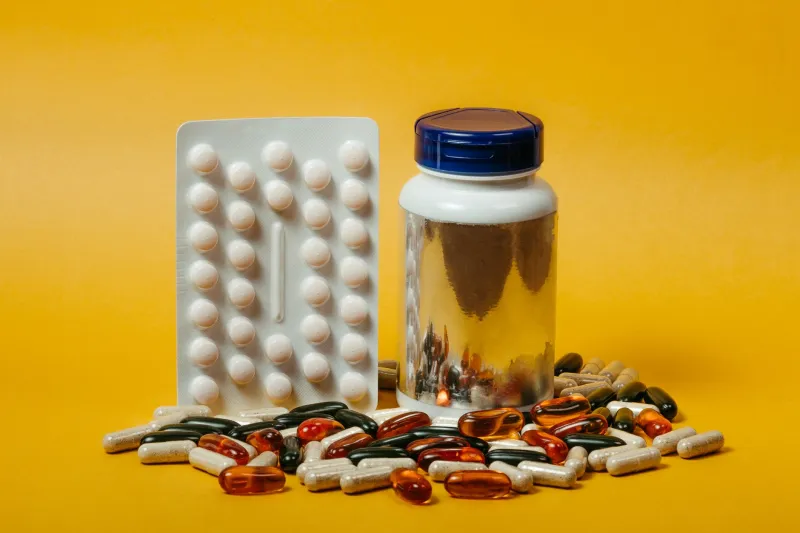
There's a ritual millions of Americans perform every single morning. They line up their bottles on the counter — maybe a multivitamin, some calcium, zinc, iron, vitamin D — shake them all into their palm, and swallow the whole lot with breakfast. It feels responsible. Organized, even.
Here's the uncomfortable truth: that approach might be one of the most expensive habits you have, and not in a good way.
Nutrient absorption isn't a free-for-all. Your gut operates more like a bouncer at a crowded club — certain nutrients share the same entry points, and when they show up at the same time, some get turned away. Others need specific conditions to work properly. A few actually require the presence of other nutrients to do anything useful at all. The result? A bathroom cabinet full of supplements that are only partially doing their job.
Let's break down exactly where things go wrong — and how to fix it.
The Big Absorption Rivalry: Calcium vs. Iron
If there's one supplement conflict that nutrition researchers keep coming back to, it's this one. Calcium and iron compete for the same intestinal transport proteins. When they arrive together, calcium almost always wins, and your iron absorption takes a serious hit.
This is a real problem for a lot of people. Women of reproductive age are already at higher risk for iron deficiency, and many are simultaneously taking calcium for bone health. If they're stacking both at breakfast, they may be undermining the very thing the iron is supposed to fix.
The fix is straightforward but requires a little planning: take iron in the morning, ideally on an empty stomach or with a small amount of vitamin C (which actually boosts iron absorption). Save the calcium for afternoon or with dinner. A gap of at least two hours makes a measurable difference.
Zinc and Copper: The Quiet Rivalry Nobody Talks About
Zinc has had a moment in the spotlight since COVID, and a lot of people are now supplementing it daily. What most of them don't know is that high zinc intake over time can deplete copper levels in the body — because both minerals use overlapping absorption channels.
Copper deficiency isn't something most Americans think about, but it can cause real problems: fatigue, neurological symptoms, and immune dysfunction. If you're taking zinc long-term, it's worth either cycling it or making sure you're getting adequate copper from food or a supplement — just not at the same time as the zinc.
Fat-Soluble Vitamins: They Need Fat, and They Need Space
Vitamins A, D, E, and K all belong to the fat-soluble category, which means they require dietary fat to be absorbed properly. If you're taking vitamin D with a fat-free breakfast — say, black coffee and a piece of fruit — you're getting a fraction of the benefit you think you are.
But there's another layer here. Vitamins A and E can actually interfere with vitamin K absorption when taken in large doses. For anyone on the higher end of supplementation, spreading these across different meals (each containing some fat) makes more sense than bundling them together.
Vitamin D and K2 are a notable exception — these two actually work synergistically. K2 helps direct the calcium that vitamin D helps absorb into your bones rather than your arteries. Taking them together, with a meal containing fat, is one of the smarter supplement pairings you can make.
Magnesium and Calcium: Another Absorption Tug-of-War
Here's one that surprises people, especially because magnesium and calcium are often sold together in combination formulas. The reality is that high doses of calcium can impair magnesium absorption — and vice versa — when taken simultaneously.
For most people taking moderate doses, the interaction is minor. But if you're dealing with a genuine magnesium deficiency (and a surprising number of Americans are), you're better off separating them. Take calcium with dinner, magnesium at night before bed — which has the added bonus of supporting sleep quality.
The Coffee and Tea Problem
This one is less about supplements competing with each other and more about a habit that's working against all of them. If you take your morning supplements with coffee or tea, the tannins and polyphenols in both beverages can significantly reduce the absorption of iron and zinc. Green tea is actually one of the worst offenders for non-heme iron absorption.
This doesn't mean you need to give up your morning cup — just give your supplements a 30-minute head start, or take them mid-morning after the coffee ritual is done.
What About B Vitamins?
B vitamins are water-soluble, which means your body doesn't store them and excess gets flushed out. They're generally better tolerated together and don't have the same absorption conflicts as minerals. That said, B12 absorption is a bit of a special case — it requires a protein called intrinsic factor produced in your stomach, and very large doses can actually overwhelm that system.
If you're taking a high-dose B12 supplement (common for vegans or older adults), splitting it into smaller doses throughout the day may actually deliver better results than one large hit.
A Smarter Daily Schedule
So what does an optimized supplement routine actually look like? Here's a rough framework based on the research:
Morning with breakfast (include some fat):
- Vitamin D + K2
- Omega-3s
- B-complex
- Vitamin A (if supplementing)
Morning on an empty stomach or with vitamin C-rich food:
- Iron (keep away from coffee)
Afternoon or with lunch:
- Zinc (away from copper if supplementing both)
- Vitamin E
Evening with dinner:
- Calcium
- Vitamin K (if not taken in the morning)
Before bed:
- Magnesium
This isn't one-size-fits-all — your specific doses, health goals, and any medications you're taking all factor in. If you're on blood thinners, for example, vitamin K timing becomes a medical conversation, not just a wellness one.
The Bottom Line
The supplement industry sells you on ingredients. It rarely sells you on strategy. But strategy is often the difference between a routine that works and one that just costs money.
The good news is that fixing this doesn't require buying anything new. It just requires a little more intentionality about when and how you take what you already have. Split your minerals. Add fat to your fat-soluble vitamins. Keep coffee away from iron. Give zinc and copper some breathing room.
Your supplements didn't stop working. You just need to stop making them compete.