The $5 Brain Hack That's Quietly Outperforming Fancy Nootropic Stacks

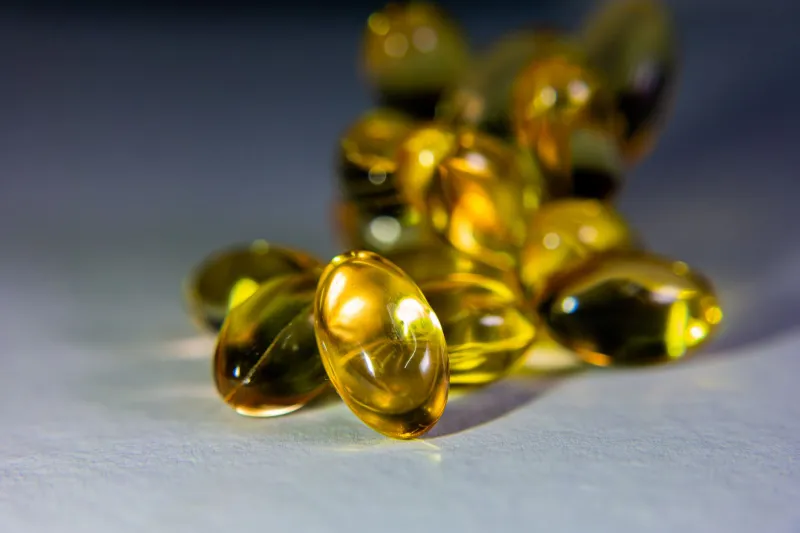
Photo by Photo by Vitaly Gariev on Unsplash on Unsplash
The Nootropic Industry Has a Dirty Little Secret
Walk into any GNC or scroll through Amazon long enough and you'll find no shortage of "premium cognitive enhancers" — sleek bottles packed with 10, 12, sometimes 20 different ingredients, each one promising sharper focus, faster recall, and smoother mental energy. Price tags of $60, $100, even $200 a month are pretty standard in this space.
Here's the thing nobody in that industry wants you to Google: a two-ingredient stack you can assemble for about five bucks a month has been outperforming those blends in controlled studies for years. We're talking about caffeine and L-theanine — two compounds so boring they almost sound like a punchline. But boring, it turns out, is exactly what good science looks like.
What's Actually Happening in Your Brain
Most people already have a relationship with caffeine. You know the drill — coffee kicks in, focus sharpens, and then about 90 minutes later the edge turns into anxiety, your heart rate ticks up, and you're either crashing or reaching for another cup. That cycle is real, and it happens because caffeine works by blocking adenosine receptors (the ones that make you feel sleepy) while simultaneously spiking adrenaline and cortisol. Great for alertness, not always great for calm, sustained focus.
L-theanine is an amino acid found naturally in green tea — which, not coincidentally, is why green tea tends to feel like a smoother ride than coffee even when the caffeine content is comparable. Theanine promotes alpha brain wave activity, the kind associated with a relaxed but alert mental state. Think: focused without being wired. It also nudges GABA levels upward, which has a mild calming effect on the nervous system.
When you put the two together, something genuinely interesting happens. Theanine appears to blunt the jittery, anxious edge that caffeine can produce, while caffeine amplifies theanine's ability to sharpen attention. It's not just that they cancel each other's downsides — they actively enhance each other's upsides. Researchers call this a synergistic effect, and it's been documented enough times now that it's hard to dismiss as coincidence.
What the Research Actually Shows
This isn't fringe supplement science. The caffeine-theanine combination has been studied in peer-reviewed journals going back to the early 2000s. A frequently cited 2008 study published in Nutritional Neuroscience found that the combo improved both speed and accuracy on attention-switching tasks and reduced susceptibility to distraction — more so than caffeine alone. Another study out of the UK found participants reported feeling more alert and less tired at the 60-minute mark compared to placebo, with self-reported headache and tiredness significantly lower in the combo group.
What makes this stack stand out in the nootropic world is the consistency of results. Most multi-ingredient cognitive blends have one or two studied compounds buried under a pile of proprietary blend filler, exotic herbs, and dosages too small to matter. The caffeine-theanine stack has a clear mechanism, reproducible outcomes, and a straightforward dose-response relationship. That's genuinely rare in this category.
Getting the Dose Right
This is where a lot of people go wrong — either with the ratio or the total amounts. The most commonly studied and recommended ratio is 1:2, caffeine to L-theanine. So if you're taking 100mg of caffeine, you'd pair it with 200mg of L-theanine. If you're more of a 200mg caffeine person (roughly two cups of coffee), you'd aim for 400mg of theanine.
A few practical notes here:
- Most coffee drinkers aren't getting the ratio right. A standard 8oz cup of drip coffee contains roughly 80–120mg of caffeine. If you're just tossing a theanine capsule into the mix without thinking about the ratio, you might be underdosing the theanine side of the equation.
- Timing matters. Theanine absorbs fairly quickly — within 30–60 minutes — so taking both at the same time works well. Some people like to take theanine 15–20 minutes before their coffee if they're particularly sensitive to caffeine's initial spike.
- You don't need to go high on caffeine to get the benefit. Studies have shown meaningful effects at doses as low as 50mg caffeine + 100mg theanine. More isn't always better, especially if you're already sensitive.
How to Actually Buy This Without Getting Ripped Off
Here's where it gets almost absurdly simple. L-theanine in standalone capsule form is widely available and cheap. Reputable brands like NOW Foods, Jarrow Formulas, and Pure Encapsulations sell 200mg capsules for pennies each. A month's supply will typically run you $10–$15 at most, often less if you buy in bulk.
For the caffeine side, you have options. Plain caffeine tablets (like those from Natrol or ProLab) give you precise dosing without the variability of brewed coffee. If you prefer coffee or tea as your caffeine source — totally fine — just be mindful that the caffeine content varies more than most people realize. Cold brew concentrates and espresso can pack significantly more caffeine than a standard drip cup.
When shopping for theanine specifically, look for products that specify L-theanine (not just "theanine") and ideally carry third-party testing verification — NSF Certified for Sport or Informed Sport labels are good markers if you're being thorough. Given the low price point, there's really no reason to cut corners here.
So Why Are People Still Buying $200 Nootropic Stacks?
Honestly? Marketing. The nootropic industry is incredibly good at packaging, storytelling, and leveraging the appeal of complexity. Fourteen ingredients sounds more impressive than two. A sleek bottle with a futuristic name feels like it should work better than a couple of plain capsules.
There's also a real psychological factor at play — people want to feel like they're doing something sophisticated for their brain health. And that's not entirely irrational. Some of those premium products do contain legitimate ingredients (lion's mane, bacopa, citicoline) with decent research behind them. But here's the honest assessment: if those products aren't built on a solid caffeine-theanine foundation, or if they're delivering those ingredients in doses too small to be effective, you're largely paying for the packaging.
For most people — especially those new to cognitive supplements or working with a budget — starting with caffeine and L-theanine is the smartest move you can make. Get the fundamentals dialed in first. If you still feel like you need more after a few months of consistent use, then explore adding something like citicoline or lion's mane on top of that foundation.
The Bottom Line
The supplement industry loves to make things complicated, and cognitive enhancement is one of its most profitable playgrounds. But sometimes the boring answer really is the right one. Caffeine and L-theanine have more clinical backing, clearer mechanisms, and more consistent real-world results than most of what's sitting on the "brain health" shelf at your local supplement store.
At five dollars a month, the downside risk is basically zero. The upside — smoother focus, less jitter, and a cognitive routine that actually holds up under scientific scrutiny — is pretty hard to argue with. That's the kind of nutrition truth we're always going to lead with here.