Is Your Cooking Oil Actually Killing You? The Truth Behind the Seed Oil Panic
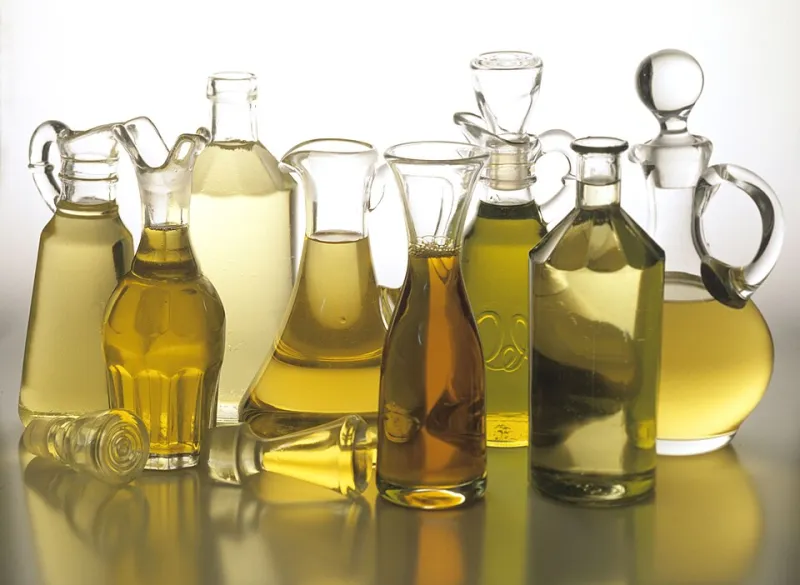
Photo: Netojinn, CC BY-SA 4.0, via Wikimedia Commons
The Internet Has Decided Seed Oils Are Evil. Let's Talk About That.
If you've spent any time in online health communities over the past couple of years, you've probably seen the posts. Seed oils — canola, soybean, sunflower, corn, safflower, cottonseed, and grapeseed — have become the dietary villain of the moment. Influencers warn that they're causing inflammation, heart disease, obesity, and even depression. Some corners of the wellness world have gone so far as to call them "the most harmful ingredient in the modern diet."
It's a bold claim. And like most bold claims that spread virally, it contains just enough real science to sound credible — while leaving out a significant amount of context.
So let's dig into what the actual nutrition research says, where the concern is legitimate, and where the fear has outrun the evidence.
Where Did the Seed Oil Fear Come From?
The anti-seed oil argument is built primarily on one concept: omega-6 fatty acids and their relationship to inflammation. Here's the basic logic chain that gets repeated across social media:
- Seed oils are high in linoleic acid, an omega-6 polyunsaturated fat.
- Omega-6s can be converted in the body to arachidonic acid, a precursor to pro-inflammatory compounds.
- Modern Americans consume far more omega-6s than omega-3s (the "anti-inflammatory" fats found in fatty fish and flaxseed).
- Therefore, seed oils are causing chronic inflammation, and chronic inflammation is at the root of most modern disease.
There's real biology embedded in that chain. The omega-6 to omega-3 ratio does matter. Chronic inflammation is genuinely linked to cardiovascular disease, metabolic disorders, and other serious conditions. And yes, the ratio in the typical American diet has shifted significantly over the past century as seed oils became dominant in processed foods and restaurant cooking.
But the leap from "this ratio has shifted" to "seed oils are poison" involves several steps that the science doesn't actually support.
The Inflammation Argument Is More Complicated Than a Meme
Here's what the omega-6 fear narrative tends to leave out: linoleic acid — the main omega-6 in most seed oils — doesn't convert efficiently to arachidonic acid in the body. Research has consistently shown that even when linoleic acid intake increases significantly, blood levels of arachidonic acid don't rise proportionally. The conversion pathway is tightly regulated.
Moreover, multiple large-scale studies and meta-analyses — including research published in journals like Circulation and the American Journal of Clinical Nutrition — have found that replacing saturated fats with polyunsaturated fats (including omega-6-rich oils) is associated with reduced cardiovascular risk, not increased inflammation. The American Heart Association has maintained this position for decades, and the evidence base behind it is substantially larger than what's circulating on wellness podcasts.
That doesn't mean seed oils are health foods, exactly. It means the story is more nuanced than "omega-6 bad, seed oil evil."
The Legitimate Concerns Worth Paying Attention To
Here's where we'll give the seed oil skeptics some credit — because there are real reasons to be thoughtful about how and where these oils appear in your diet.
Oxidation is a genuine issue. Polyunsaturated fats are chemically unstable at high heat. When seed oils are used for deep frying or heated repeatedly — as they commonly are in commercial kitchens and fast food operations — they can oxidize and form harmful compounds including aldehydes. This is a legitimate concern that is underrepresented in mainstream nutrition conversations. Cooking at home with seed oils at moderate temperatures is a very different situation than eating food fried in oil that's been reused dozens of times at a restaurant.
Processed food context matters enormously. The vast majority of seed oil consumption in the US doesn't come from home cooks drizzling canola oil over a salad. It comes from ultra-processed foods — chips, crackers, fast food, packaged snacks, frozen meals. If seed oils are associated with poor health outcomes in observational studies, it's nearly impossible to separate the oil itself from the broader dietary pattern it travels with. Blaming the canola oil in a bag of Doritos while ignoring the refined flour, sodium, and artificial additives is a pretty selective reading of the evidence.
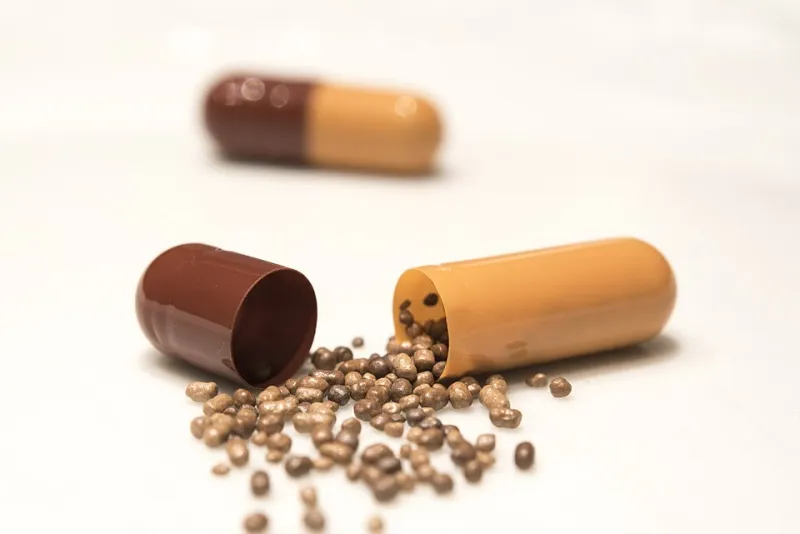
The omega-3 to omega-6 ratio does still matter. Even if the inflammation mechanism is overstated, most Americans genuinely don't eat enough omega-3 fatty acids. Eating more fatty fish, walnuts, and flaxseed — or supplementing with fish oil — is a reasonable, evidence-backed move regardless of how you feel about seed oils.
So Should You Throw Out Your Canola Oil?
Probably not. But here's a practical framework that's more useful than the binary "seed oils are fine" vs. "seed oils are killing you" debate:
- For high-heat cooking, oils with higher smoke points and more stable fat profiles — like avocado oil or refined olive oil — are reasonable choices. Not because seed oils are toxic, but because stability at high temperatures is a legitimate quality to consider.
- For everyday cooking and dressings, extra-virgin olive oil has the strongest and most consistent body of research supporting cardiovascular and metabolic benefits. It's not a dramatic swap — it's just the most evidence-backed option.
- For processed food consumption, the oil is probably the least of your worries. The bigger nutritional story in most packaged foods is the overall ingredient list, not which specific fat was used.
- For balance, focus on getting more omega-3s into your diet rather than obsessing over cutting omega-6s. Addition tends to be more sustainable than elimination.
The Real Takeaway
The seed oil panic is a case study in how partial truths travel faster than full ones online. There is real science about fatty acid ratios, oxidation, and the role of dietary fats in chronic disease — but that science doesn't support the apocalyptic framing that's become common in wellness spaces.
Registered dietitians aren't dismissing the conversation because they're in the pocket of Big Canola. They're pushing back because the evidence doesn't support the level of alarm being generated, and because dietary fear — however well-intentioned — can send people down rabbit holes that make their relationship with food worse, not better.
Eat more whole foods, get your omega-3s, don't deep-fry things repeatedly in the same oil, and maybe swap in some olive oil where it makes sense. That's it. That's the whole story.