Forget Vitamin D — These Three Micronutrients Are the Real Gaps in Your Diet
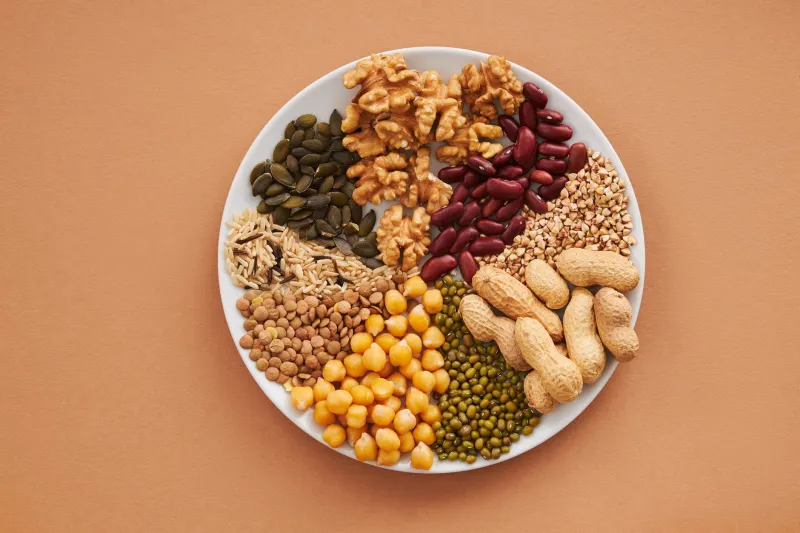
Ask most Americans what nutrients they're probably low on, and you'll hear the same short list: vitamin D, B12, maybe iron. Those are legitimate concerns, sure. But nutrition researchers are increasingly pointing to a different set of deficiencies — ones that barely register on the average person's radar, and almost never show up on a standard lab panel.
Boron. Molybdenum. Choline. Sound like chemistry class? Fair enough. But these lesser-known micronutrients play surprisingly significant roles in how your body functions day to day. And if your diet looks anything like the typical American one — heavy on processed foods, light on legumes and leafy greens — there's a real chance you're running low without knowing it.
Why Your Doctor Probably Isn't Testing for These
Here's the frustrating truth: routine blood work in the US is largely designed to catch acute deficiencies and diagnose disease. It's not built to flag the kind of slow, subclinical shortfalls that leave you feeling foggy, tired, or just... off.
Vitamin D became a mainstream concern partly because it's cheap to test and the deficiency is genuinely widespread. But for nutrients like boron and molybdenum, there's no standard clinical test your average primary care physician is going to order. And choline, despite being officially recognized as an essential nutrient by the National Academy of Medicine since 1998, still doesn't appear on most nutrition panels.
That gap between what science knows and what gets tested is where a lot of people fall through the cracks.
Choline: The Essential Nutrient Most Americans Are Skimping On
Let's start with the one that probably affects the most people. Choline is critical for brain function, liver health, and fetal development during pregnancy. It's also the precursor to acetylcholine, a neurotransmitter tied to memory, mood, and muscle control.
According to data from the National Health and Nutrition Examination Survey, roughly 90% of Americans aren't hitting the adequate intake for choline. Nine out of ten. That's not a niche problem.
The richest dietary sources are eggs (especially the yolks), beef liver, salmon, and soybeans. If you're eating a low-fat diet, skipping eggs, or following a plant-based approach without careful planning, your choline intake is almost certainly lower than ideal.
Symptoms of low choline can look a lot like general burnout: brain fog, poor memory, fatigue, and even muscle aches. Because these symptoms are so non-specific, they're easy to chalk up to stress or poor sleep — which means the actual cause often goes unaddressed.
The good news? You don't need a lab test to take action. Eating two whole eggs a day gets you roughly halfway to the recommended adequate intake (425 mg for women, 550 mg for men). If eggs aren't your thing, choline supplements are widely available and inexpensive.
Boron: The Mineral Your Bones (and Brain) Are Quietly Begging For
Boron doesn't get much press, and it still doesn't have an official Recommended Dietary Allowance in the US. But that doesn't mean it's unimportant — it just means research is still catching up to what the nutrient actually does.
What we do know is that boron plays a role in how your body uses vitamin D, magnesium, and calcium. Studies suggest it supports bone density, joint health, and even testosterone levels. Some research also points to cognitive benefits — specifically improvements in attention, short-term memory, and hand-eye coordination.
The average American consumes somewhere between 1 and 3 mg of boron per day, primarily from fruits, vegetables, nuts, and legumes. People eating highly processed diets — which are largely stripped of these whole foods — likely land at the lower end of that range or below it.
There's no standard blood test for boron status, but if your diet is light on plant foods, it's a reasonable assumption that you're not optimizing for it. Increasing your intake of avocados, raisins, almonds, and chickpeas is a simple, food-first fix. Boron supplements also exist, typically in the 3–6 mg range, though you'll want to check with a healthcare provider before adding anything new.
Molybdenum: The Trace Mineral You've Never Thought About (But Probably Should)
Okay, this one's admittedly more obscure. Molybdenum is a trace mineral that acts as a cofactor for several enzymes involved in breaking down sulfur-containing amino acids and processing certain toxins. Your liver and kidneys rely on it to do their jobs properly.
The RDA for molybdenum is 45 micrograms per day for adults — a tiny amount that most people hit without trying if they eat legumes, grains, or dairy regularly. But here's the catch: the molybdenum content of food depends heavily on the soil it was grown in. American agricultural soils have seen significant mineral depletion over the past century, which means even people eating "healthy" diets may be getting less than they think.
Symptoms of genuine molybdenum deficiency are rare in healthy adults, but low intake has been loosely associated with increased sensitivity to sulfites (think: wine, dried fruit, processed meats causing headaches or flushing), as well as impaired detox pathways. If you've ever wondered why certain foods seem to trigger reactions that you can't quite explain, this is a rabbit hole worth exploring with a functional medicine practitioner.
Legumes — lentils, black beans, kidney beans — are your best dietary bet here. A single cup of cooked lentils delivers well over the daily requirement.
So How Do You Actually Know If You're Deficient?
For choline, the most practical approach is an honest audit of your diet. Track your food intake for a few days using a free app like Cronometer (which actually includes choline data, unlike most trackers) and see where you land.
For boron and molybdenum, dietary assessment is currently your best tool since clinical testing isn't widely available or standardized. Functional medicine doctors and registered dietitians can sometimes offer more comprehensive micronutrient panels through specialty labs — tests that go well beyond what your standard annual physical includes.
If you're experiencing persistent fatigue, cognitive sluggishness, or just a general sense that something's off and your routine bloodwork keeps coming back "normal," it may be worth digging deeper. Asking your doctor specifically about a comprehensive micronutrient panel — or seeking out a practitioner who specializes in functional nutrition — can open up conversations that standard care often doesn't.
The Bigger Picture
Nutrition science has spent decades focused on the big, obvious deficiencies. And for good reason — they affect millions of people and have clear consequences. But as our food supply has shifted toward ultra-processed products and away from diverse whole foods, the subtler gaps have gotten wider.
Boron, molybdenum, and choline aren't going to make headlines the way ozempic alternatives or trendy adaptogens do. But they're doing unglamorous, essential work in your body every single day. Sometimes the most important nutritional moves are the ones nobody's talking about yet.